
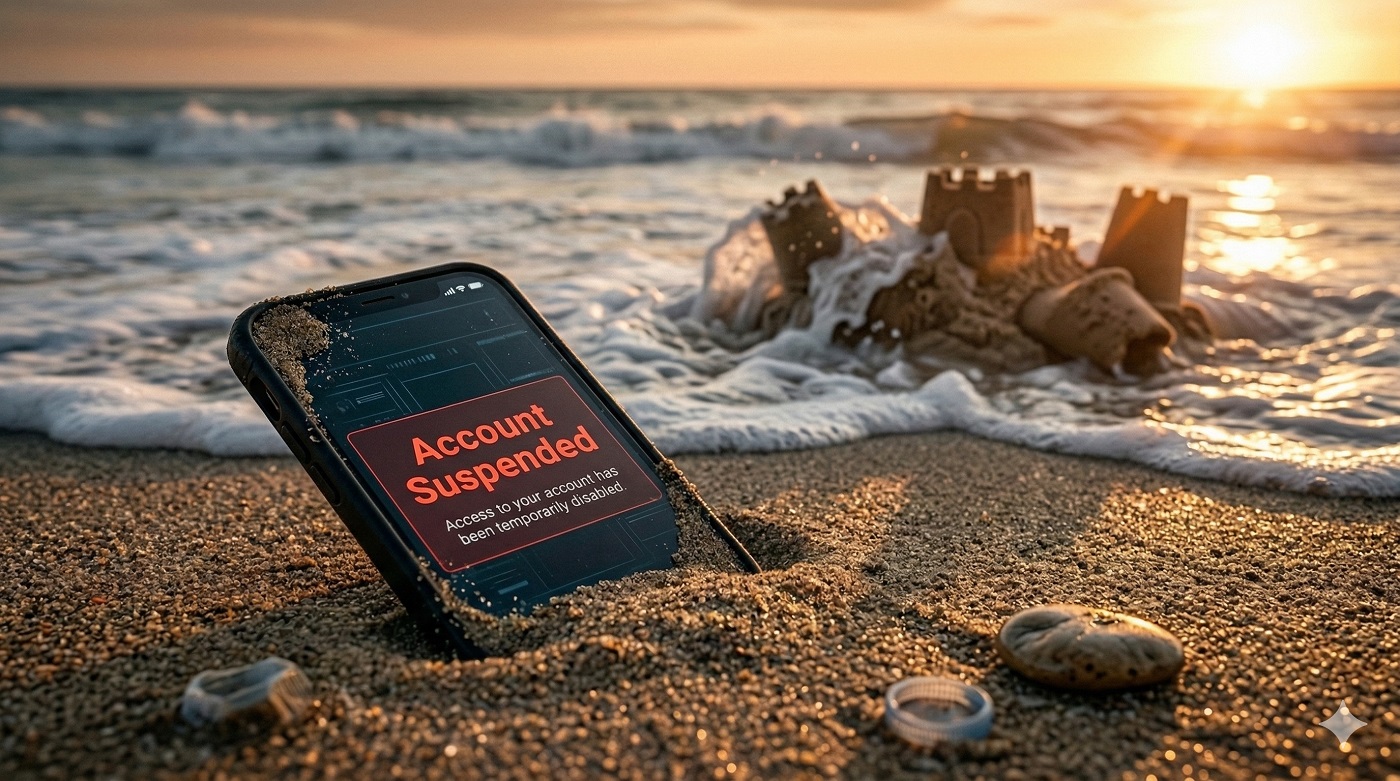
It is currently 2026, and a massive chunk of the internet genuinely believes they can run a six-figure business entirely out of a single "link in bio" on a social media app.
It makes sense on the surface. Setting up a TikTok shop or an Instagram creator account is free, fast, and gives you access to millions of people. Why would you bother paying for hosting and building a standalone website when the social platforms are practically handing you an audience?
Here is the brutal answer: Because you are building a sandcastle on someone else's beach.
If your entire business model relies solely on a social media account or a search engine algorithm, you are practicing digital sharecropping. You do not own your audience, you do not own your platform, and you are entirely at the mercy of massive tech companies that do not care if you can pay your mortgage next month.
I have watched this reality crush people firsthand. A few years ago, I was working with a site owner who was bringing in 20,000 visitors a month purely through Google search. Then, Google rolled out a massive algorithm update. Literally overnight, his traffic plummeted from 20,000 to 200. His revenue evaporated. When I asked him if he had been collecting emails from those 20,000 visitors so he could contact them directly, he said no. Because he didn't own his audience, only a tiny fraction of die-hard fans ever came back.
TL;DR: You do not technically need a website to make your very first dollar online. But if you want to keep making dollars when an algorithm changes, your account gets shadowbanned, or a platform dies, a foundational website is non-negotiable.
The "Rented Audience" Trap (Social Media)
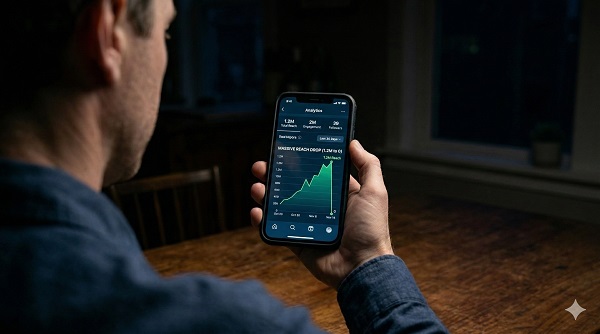
There is a massive difference between "having followers" and "owning an audience." Just because 50,000 people clicked the follow button on your profile does not mean you actually have 50,000 potential customers. You are just renting access to them, and the landlord can change the locks at any time.
When you rent your audience, you face some massive risks:
The Algorithm Problem: Right now, only a fraction of your followers actually see your posts. You are at the mercy of algorithms designed to keep people scrolling, not algorithms designed to help you sell your digital products or freelance services. If a platform decides to push short-form video instead of photos, and you refuse to pivot, your reach goes to zero.
The Shadowban Threat: I have colleagues who built YouTube channels with tens of thousands of subscribers, pulling in 100,000 views per video. Suddenly, the platform decided it didn't favor their style of content anymore, and the channel was quietly shadowbanned. Their views dropped to a few hundred per video. Their income vanished, and they received zero explanation as to why.
The Deplatforming Risk (And the Customer Support Void):
One mistaken report, an automated terms-of-service flag, or a malicious copyright strike from a bored troll can permanently delete your entire revenue stream. I watched a colleague lose his entire YouTube channel to false copyright strikes from what was assumed to be a small cadre of sour viewers. He eventually got it reinstated weeks later, but his income was frozen the entire time.
If you think you can just "call customer support" to fix these issues, you are in for a rude awakening. I had to deal with Google's support team once, and it was a masterclass in frustration. I waited days (sometimes an entire week) just to get a canned, automated response that didn't solve the problem. If you build your business on rented land, you have no HR department, no superiors, and no safety net when things go wrong.
The "Owned Audience" Advantage (Your Website)
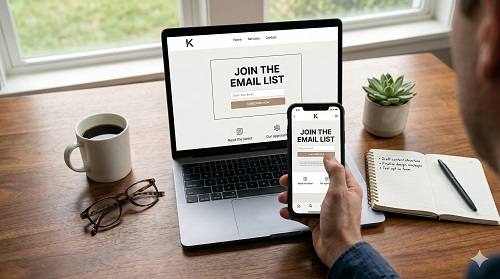
Your website is the only piece of the internet you actually own. You control the narrative, the layout, and the monetization. You make the rules.
When I was running a digital marketing agency specializing in SEO and web design, my website was my actual resume. My search rankings and my site design were the literal proof I knew what I was doing. I could point potential clients to my domain and show them exactly what I was capable of building for them.
Not everyone is trying to build a marketing agency, but the principle remains the exact same. If you are a digital creator or a side hustler, having a dedicated website is often the difference between making consistent sales and making absolutely nothing.
Why? Because anyone can start an Instagram page in three minutes for free. Building a website shows the world you are financially and mentally invested in your business. People are getting increasingly wary of blindly subscribing to YouTube channels or following random TikTok accounts. However, if they see your content, click the link in your bio, and land on a professional website, you instantly build trust.
This is where the email list comes into play. If you offer a cheap or free digital product on your site in exchange for an email address, you convert a rented viewer into an owned audience member. Your website gives you unlimited flexibility in how you capture attention. Social media only gives you the limited tools the platform allows.
The "Hybrid" Approach (For Creators and UGC)
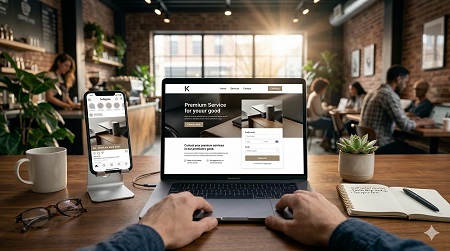
You should not abandon social media entirely. That would be a terrible marketing strategy. Social media is brilliant for the top of your sales funnel. It is a discovery engine. The goal is to use rented platforms to get eyeballs, and then funnel those eyeballs directly to the property you own.
But please, stop using generic link aggregators. Linktree is all but dead at this point. It has been used to death, and because so many scammers took advantage of it, some platforms are actually shadowbanning newer accounts that link directly to a Linktree URL. That is the ultimate downside of a third-party tool gaining massive popularity.
Instead, you need to drive traffic to a dedicated landing page on your own domain. When you send people to your actual website, you give them options. They can read your backstory, see your other products, and figure out if you are a real human being before they pull out their credit card. People want to believe they can trust the person selling to them. A standalone website builds that trust in a way a generic list of links never will.
Stop Renting, Start Owning
Let's wrap this up. Relying completely on social media algorithms to fund your life is a gamble you will eventually lose.
A website is your long-term insurance policy. It protects your income from algorithmic mood swings, random shadowbans, and platform deaths. It proves you are a legitimate business, builds deep trust with your audience, and gives you total control over how you sell your products or services.
Stop building your financial future on rented land. Go secure your domain name today. Even if it is just a simple one-page site to start, it is the smartest investment you can make for your side hustle.